
Blown In Blanket System in Decherd and Tullahoma, TN
Complete Coverage. No Gaps. No Guessing
Blown In Blanket System in Decherd and Tullahoma, TN — Prince Insulation has been installing it across Middle Tennessee for decades, and the reason it remains one of our most requested services is simple: it works where other methods leave gaps. Family-owned since 1980, we've built a reputation on installations that perform long after the crew leaves the driveway.
Twelve full-time employees. Three rigs. A process refined over four decades of Tennessee construction.
Call (931) 580-0088 for your free estimate.
What the Blown In Blanket System Actually Is
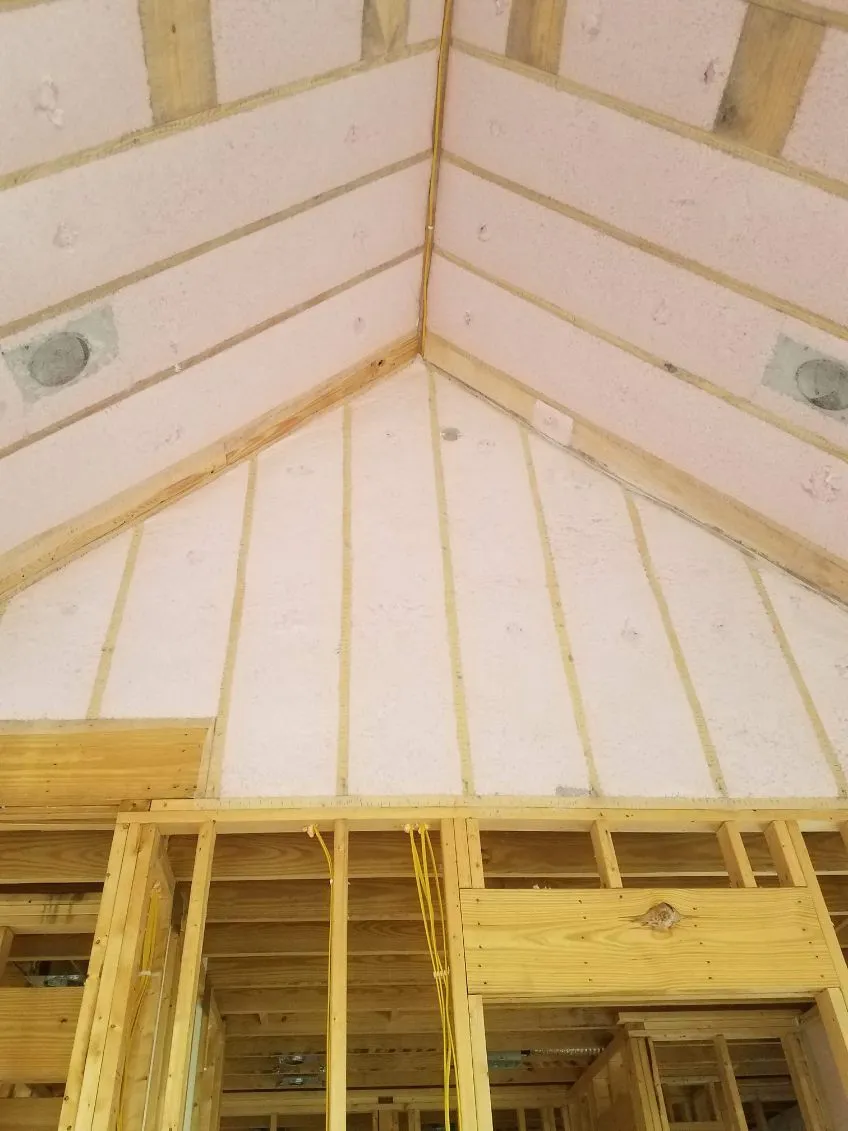
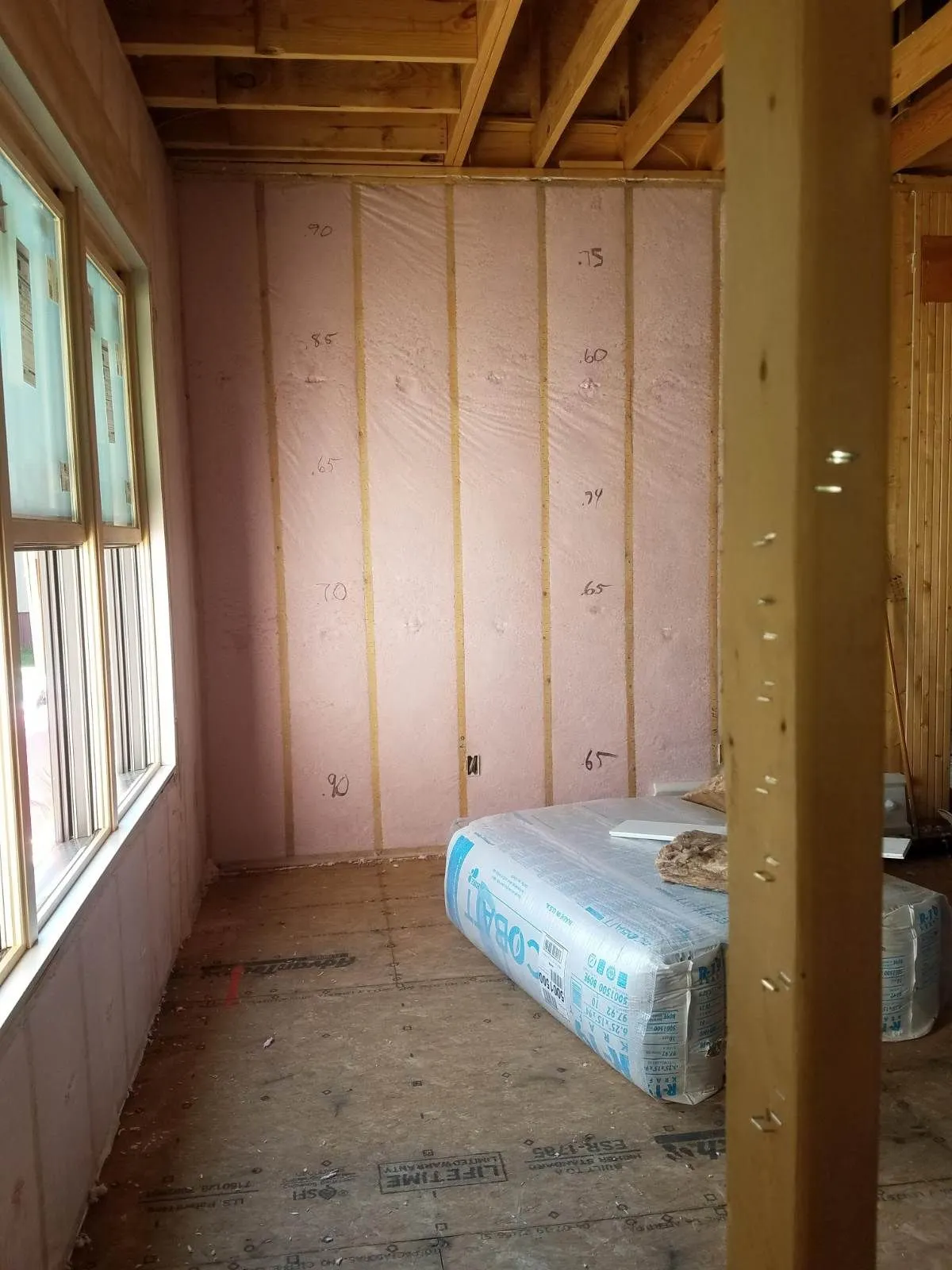
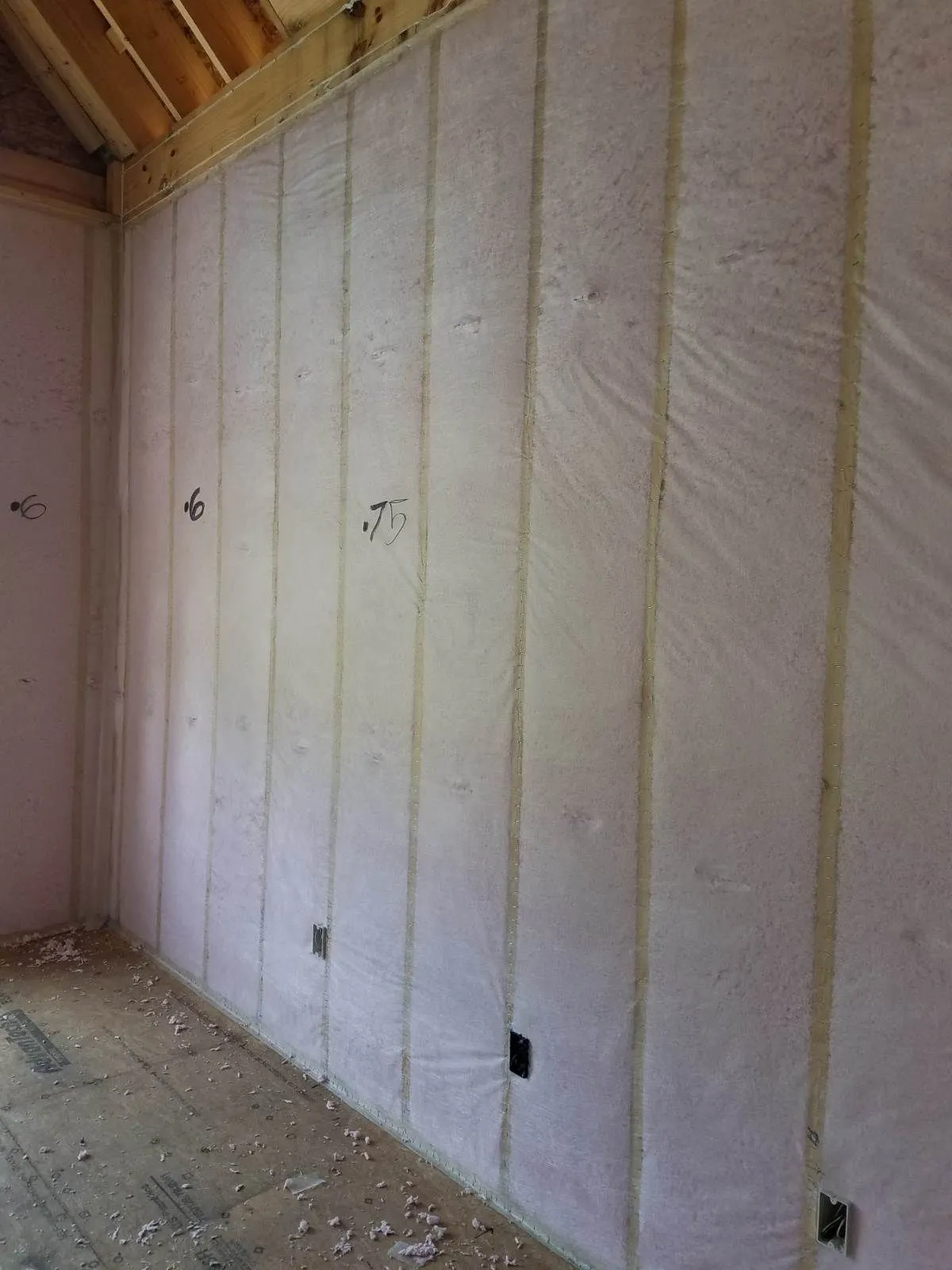
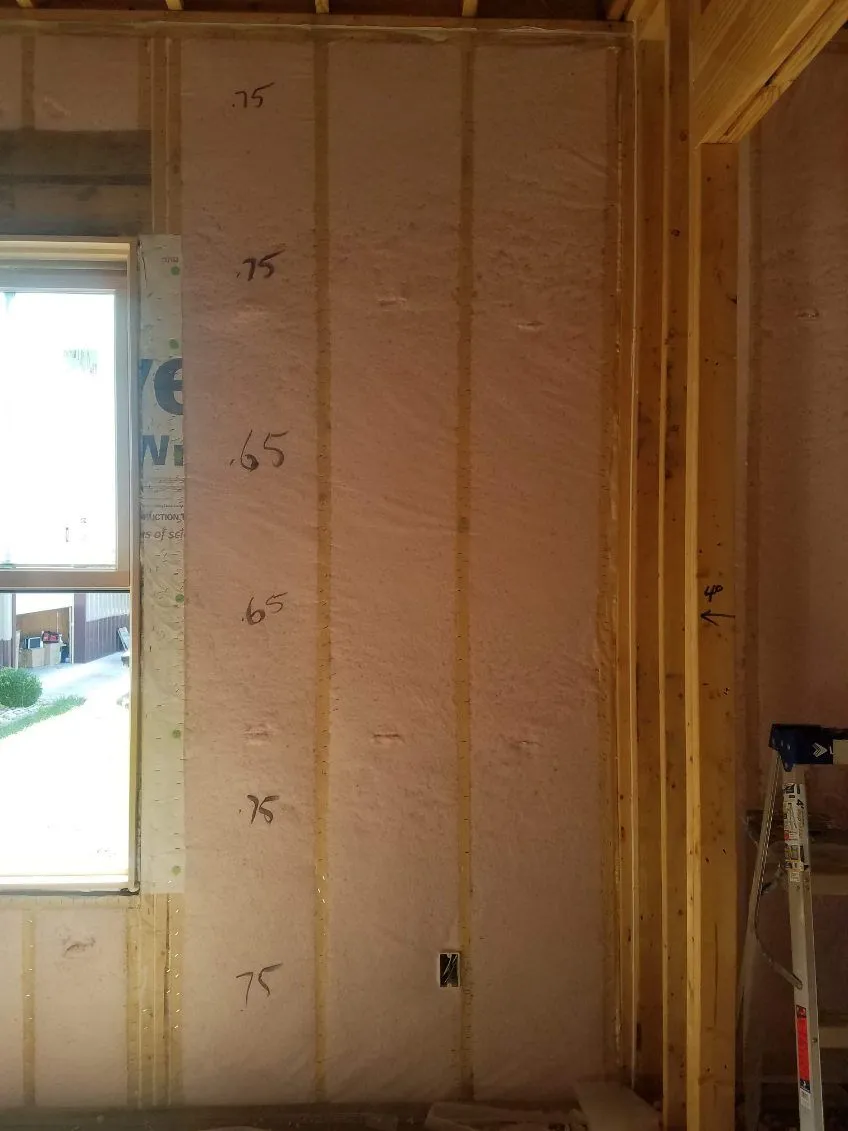
The Blown In Blanket System — sometimes called BIBS — is a hybrid insulation method that combines the coverage consistency of blown-in loose fill with the containment structure of a fabric net. The netting is installed across open wall cavities or attic framing, and the insulation is blown in behind it under pressure, filling the entire cavity wall-to-wall, corner-to-corner, with no voids.
Standard batt insulation leaves gaps. Around outlets, at corners, behind pipes, anywhere the framing isn't perfectly uniform. Those gaps are air pathways. And air pathways are where thermal performance goes to die.
Blown In insulation installed via the blanket system eliminates that failure mode. The material conforms to the space as it fills — no folding, no compressing, no approximations. The result is a complete, consistent thermal layer that performs at the rated R-value because coverage is actually complete.
Our Blown In Insulation Services
Blown In Attic Insulation
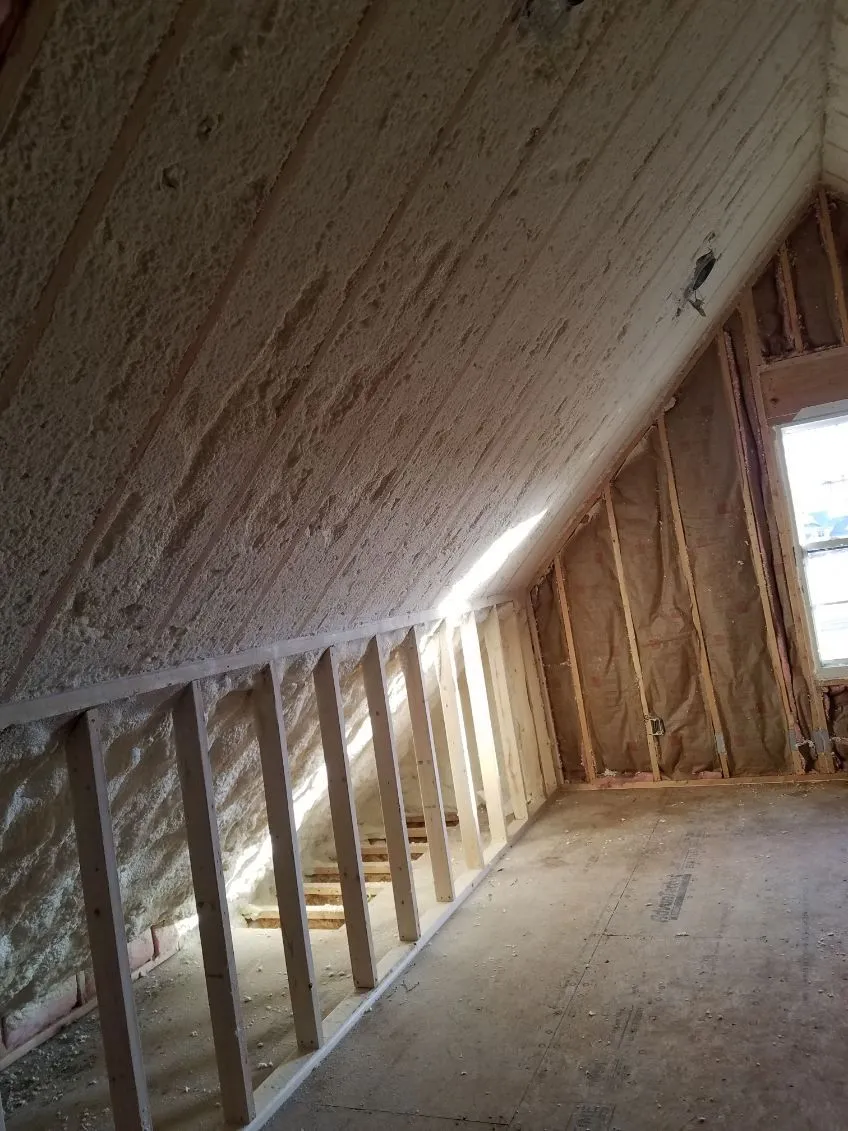
The attic floor is the highest-impact location in most residential structures, and blown in attic insulation is the most efficient way to achieve consistent coverage across it. Loose-fill material distributed under pressure fills around obstructions — HVAC equipment, plumbing chases, irregular joist spacing — in a way that hand-fitted batts simply can't replicate.
We assess your current attic coverage during the estimate, identify gaps and compressed sections, and determine the additional depth needed to bring the assembly up to the R-value recommended for your climate zone. For most of Middle Tennessee, that target runs R-38 to R-60 at the attic floor.
Blown In Fiberglass Insulation
Blown in fiberglass insulation delivers the thermal performance of fiberglass in a loose-fill format — ideal for attics, wall cavities via the BIBS method, and retrofit applications where access limits what can be installed by hand.
Fiberglass loose-fill doesn't settle significantly over time, maintains its R-value across a wide temperature range, and is non-combustible. For large attic floors and open-frame wall applications in new construction, it's a highly efficient choice.
Blown In Cellulose Insulation
Blown in cellulose insulation is a dense-pack alternative made primarily from recycled paper fiber treated for fire resistance. It's heavier than fiberglass, which gives it better air resistance in wall cavity applications — relevant for older homes where air sealing is a particular concern.
Dense-pack cellulose can also be installed in existing closed walls through small access holes, making it an option for retrofit projects where opening walls isn't practical. The material settles slightly over time, which is factored into the installed depth during application.
Wall Cavity Applications — The BIBS Method
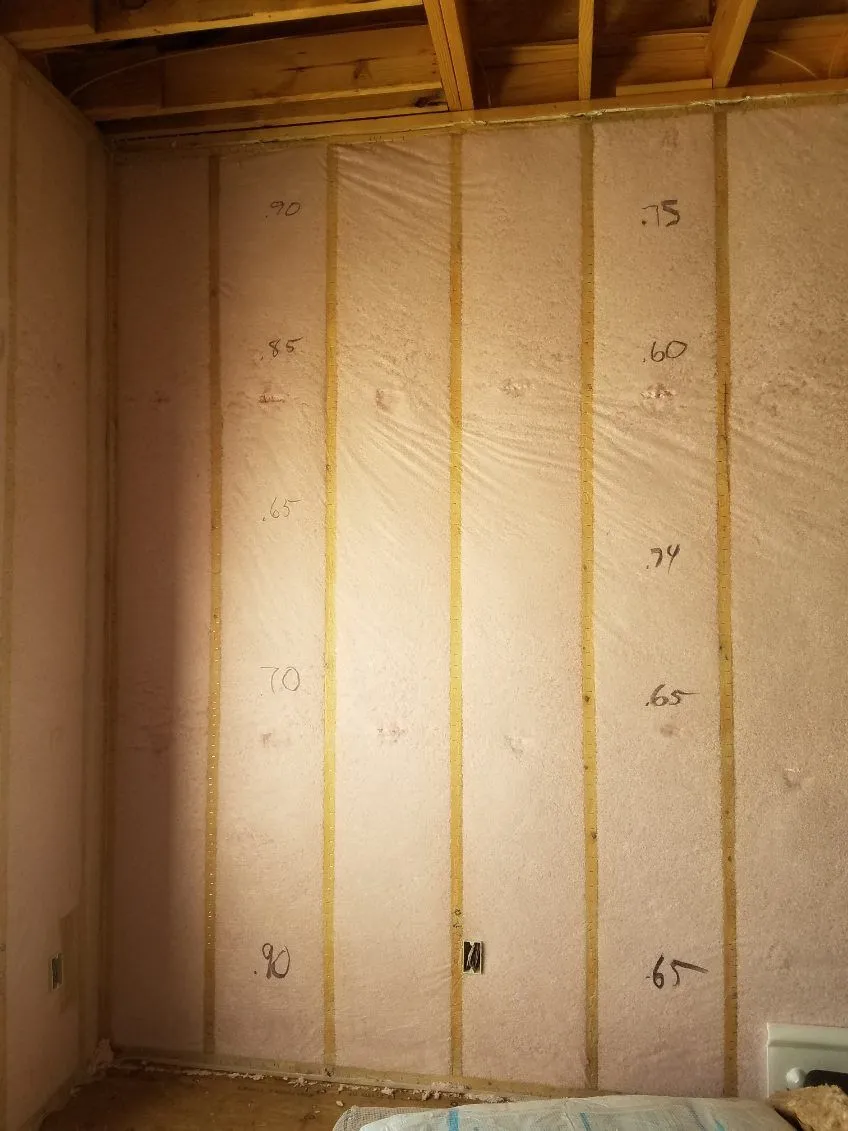
The Blown In Blanket System was developed specifically for wall cavities. A fabric net is stretched across the open framing, and the insulation is injected behind it through small ports until the cavity is completely full. No voids. No settling gaps at the top of the cavity. No compressed corners.
For builders and blow in insulation contractors doing new construction or major renovations, BIBS is the specification that closes the gap between rated and actual R-value performance. Prince Insulation has been installing it long enough to know where the typical failure points are — and how to avoid them.
Why This Method Outperforms Standard Batts
Most people default to batt insulation because it's familiar. That familiarity is reasonable — batts have been the standard for decades and perform adequately in straightforward applications. But adequately isn't the same as optimally.
This is usually where people run into problems: a home that feels drafty despite having insulation, utility bills that don't respond to upgrades elsewhere, moisture collecting in wall cavities. The insulation is there. The installation just left pathways that negated the R-value on the label.
The Blown In Blanket System addresses this at the source. The netting keeps the material in place during and after installation. The pressure-fill process reaches every corner of the cavity. There's no version of this installation where a joist bay gets half-covered because the batt was cut short.
For new construction, it integrates cleanly into the build schedule. For renovation projects with open walls, it's a direct upgrade over what was there before.
Looking for Blown In Insulation Near Me?
Searching Blown In insulation near me and not sure how to evaluate the options? A few things worth confirming before you commit to any contractor:
Do they use proper netting in wall cavity applications, or are they just blowing loose-fill into open bays and hoping for the best? Do they own their blowing equipment, or are they renting job to job? Is the crew in-house, or are they calling subcontractors whose work they can't vouch for?
Blow in insulation companies that operate at volume in a specific region understand local building stock, climate zone requirements, and the details that actually affect long-term performance. Prince Insulation has been answering the Blown In insulation near me search in this region since before most people were making it.
What Sets Prince Insulation Apart
Decades in the trade. We added blown-in services to our offering as the product and equipment evolved — and we've invested in the equipment capacity to handle any project size without cutting corners on coverage depth or fill pressure.
In-house crew. Every blow in insulation installer on a Prince Insulation job is a full-time employee. No day labor, no unfamiliar subcontractors, no one learning the process at your expense.
Proper equipment, properly maintained. Blowing machines that aren't calibrated or maintained produce inconsistent fill density — material that looks complete but has air pockets throughout. Our equipment is maintained to spec. The fill is consistent. The performance is what it's supposed to be.
Free estimates. Call (931) 580-0088, tell us about your project, and we'll come look at it. No obligation, no pressure.
Service Areas
We serve residential, commercial, and contractor clients throughout:
- Decherd, Tullahoma, Winchester, Manchester
- Fayetteville, Lynchburg, Estill Springs, Cowan
- Shelbyville, Monteagle, Sewanee, Jasper
- South Pittsburg, Whitwell, Morrison, Huntland, Beech Grove
Not on the list? Call — we likely cover your area.
Frequently Asked Questions
Ready to Get It Done?
Blown In Blanket System in Decherd and Tullahoma, TN — installed by a crew that's been at this since 1980. Prince Insulation. Free estimates, in-house technicians, and work that delivers the R-value it's supposed to.
Call (931) 580-0088. Monday–Friday, 7AM–5PM.
Request a Quote
Learn More About Prince Insulation
Serving Winchester, TN, Tullahoma, TN, Manchester, TN, Jasper, TN, and surrounding areas. Prince Insulation specializes in residential insulation and commercial insulation. Quick response times. Competitively priced. Free estimates. Call us today.
Get In Touch
(931) 580-0088
dewaynehill382@gmail.com
187 Hill-Coulson Rd, Decherd, TN 37324, United States