
Fiberglass Insulation Decherd and Tullahoma, TN

Where It Started. Still Done Right
Fiberglass Insulation Decherd and Tullahoma, TN — this is where Prince Insulation's story begins. Long before the spray rigs, before the commercial contracts, before the crew grew to twelve full-time employees, this company was built on fiberglass insulation. We've been installing it since 1980. That's not a marketing line. It's just the history.
A lot has changed in four decades of Tennessee construction. The fundamentals of a well-insulated building haven't. Done correctly, fiberglass remains one of the most cost-effective, reliable, and versatile insulation solutions available — for residential, commercial, and industrial applications alike.
Call (931) 580-0088 for a free estimate.
Why Fiberglass Still Makes Sense
Spray foam gets most of the attention these days. That's fair — it performs exceptionally in specific applications. But fiberglass insulation still owns a large portion of the market for good reason: it's proven, widely applicable, and delivers consistent thermal performance when installed correctly.
That last part matters more than most people realize. This is usually where people run into problems — the product isn't the issue, the installation is.
Compressed batts, gaps around penetrations, missing coverage at rim joists. Fiberglass installed carelessly performs like it wasn't there at all. Installed properly, it delivers exactly what the R-value spec promises.
Prince Insulation has been doing this long enough to know the difference — and to care about it.
Our Fiberglass Insulation Services
Fiberglass Batt Insulation
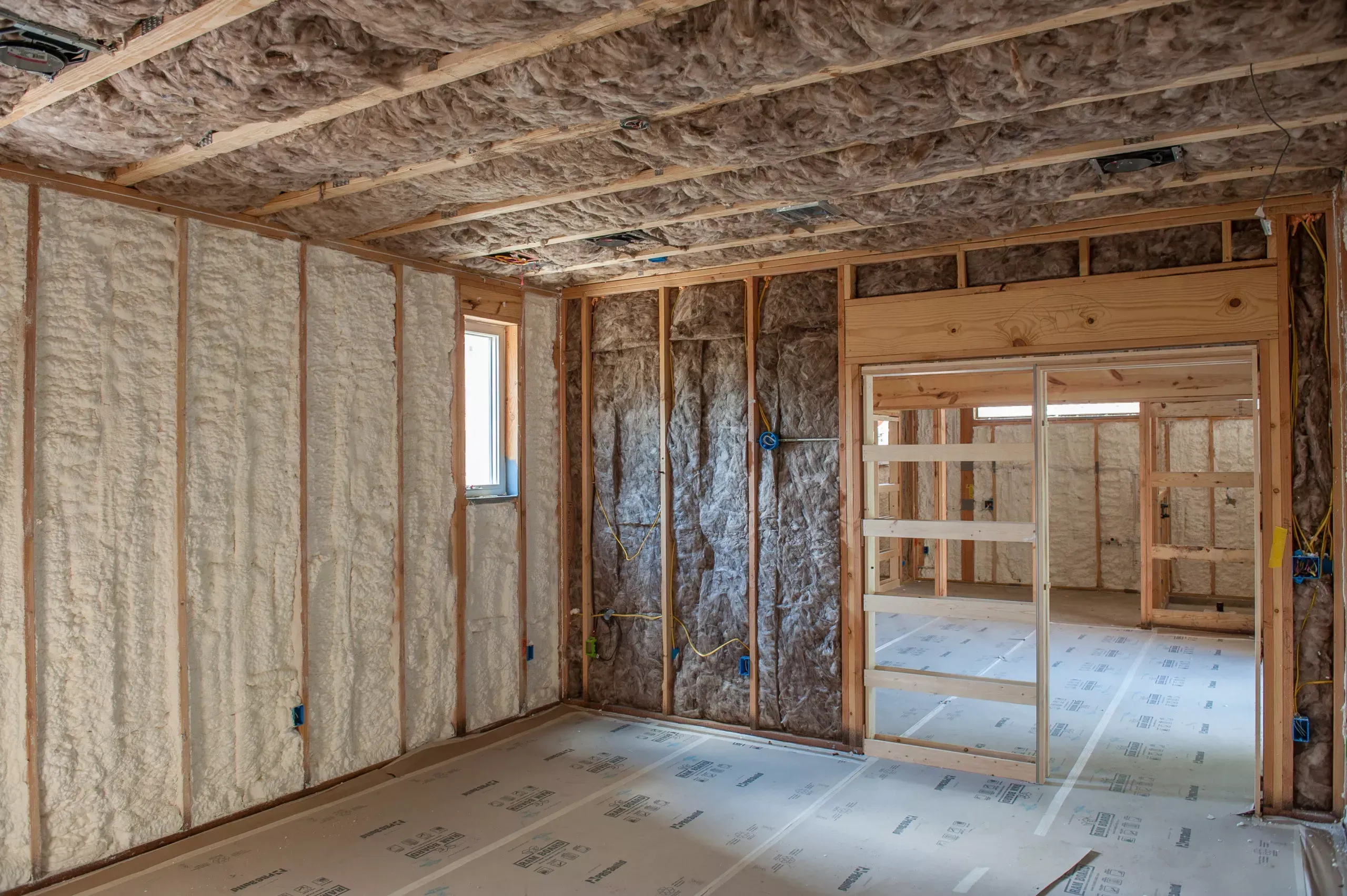
Fiberglass batt insulation is the standard for wood-framed walls, floors, and ceilings in both new construction and renovation work. Pre-cut to fit standard stud and joist spacing, batts are efficient to install and highly effective when the framing is consistent and the installation is thorough.
We handle batt insulation for residential builds, additions, room conversions, and retrofit projects across the Decherd and Tullahoma area. Every installation accounts for outlet boxes, pipe runs, and structural members — the spots where gaps tend to hide.
Rolled Fiberglass Insulation
Rolled fiberglass insulation covers the same applications as batts but in continuous lengths — better suited for longer runs, irregular spacing, or situations where fewer seams are preferable. It's a practical choice for large attic floors, long wall runs, and open floor assemblies.
Our crew cuts and fits rolled material on-site, working around whatever the framing throws at us. No approximations. No left-behind gaps.
Fiberglass Attic Insulation
The attic is the single highest-impact location in most residential structures. Heat rises. In Tennessee summers, an underinsulated attic drives HVAC loads up significantly — and keeps them there.
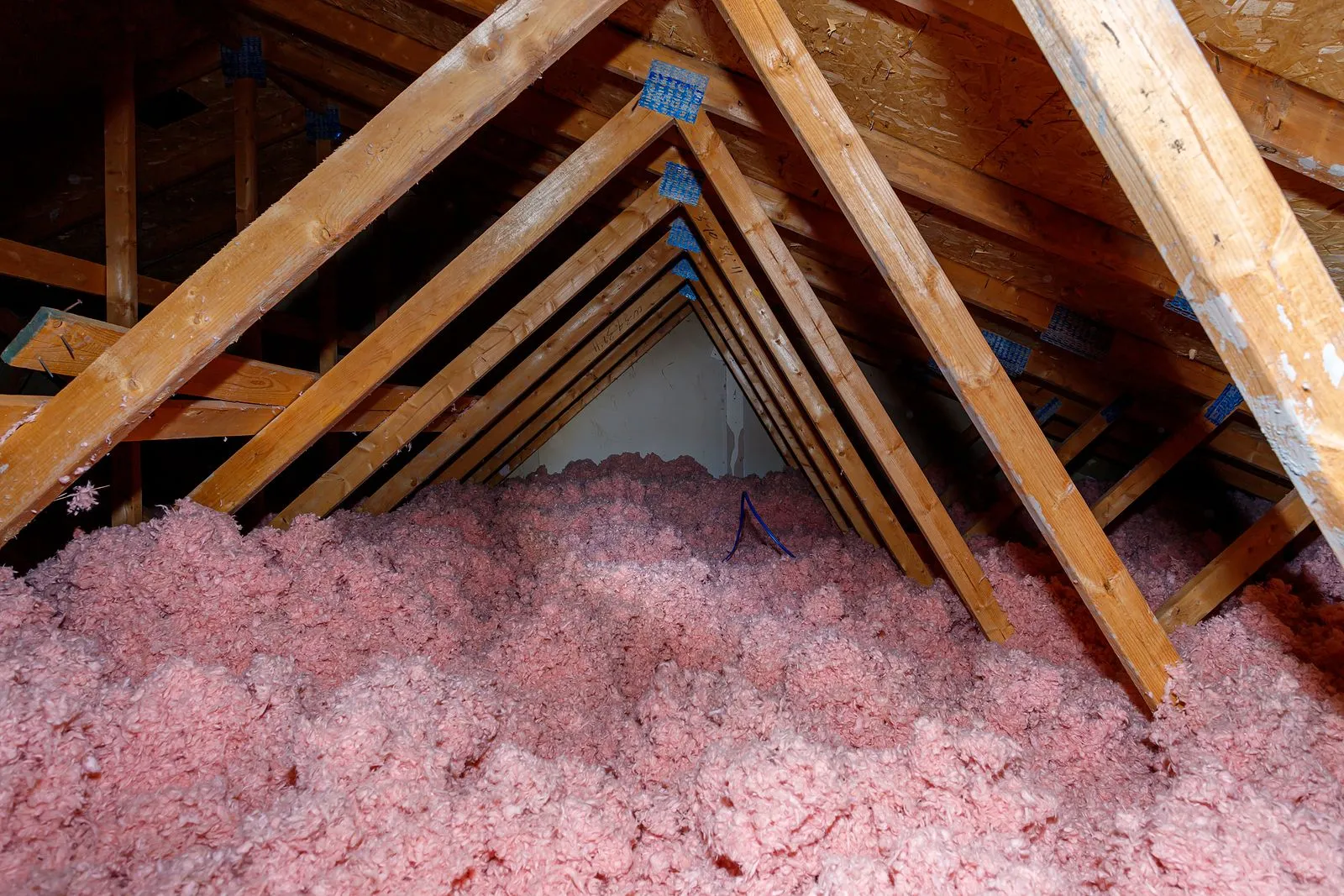
Fiberglass attic insulation is installed as batts between joists or blown in as loose-fill, depending on the attic configuration and the target R-value. For most Tennessee homes in climate zones 3 and 4, the Department of Energy recommends R-38 to R-60 in the attic. We assess existing coverage, identify gaps, and bring the assembly up to where it needs to be.
Blown Fiberglass Insulation
Blown fiberglass insulation — loose-fill, machine-distributed — is the right call for attics with irregular joist spacing, existing structures where batts can't be easily installed, or anywhere you need complete, settled coverage without lifting and fitting every piece by hand.
The material conforms to the space as it's applied, filling around obstructions and reaching areas batts simply can't. Most jobs fall apart because of timing, not the work itself — blown fiberglass moves fast, which makes it a strong choice for projects where minimizing disruption matters.
Fiberglass Wall Insulation
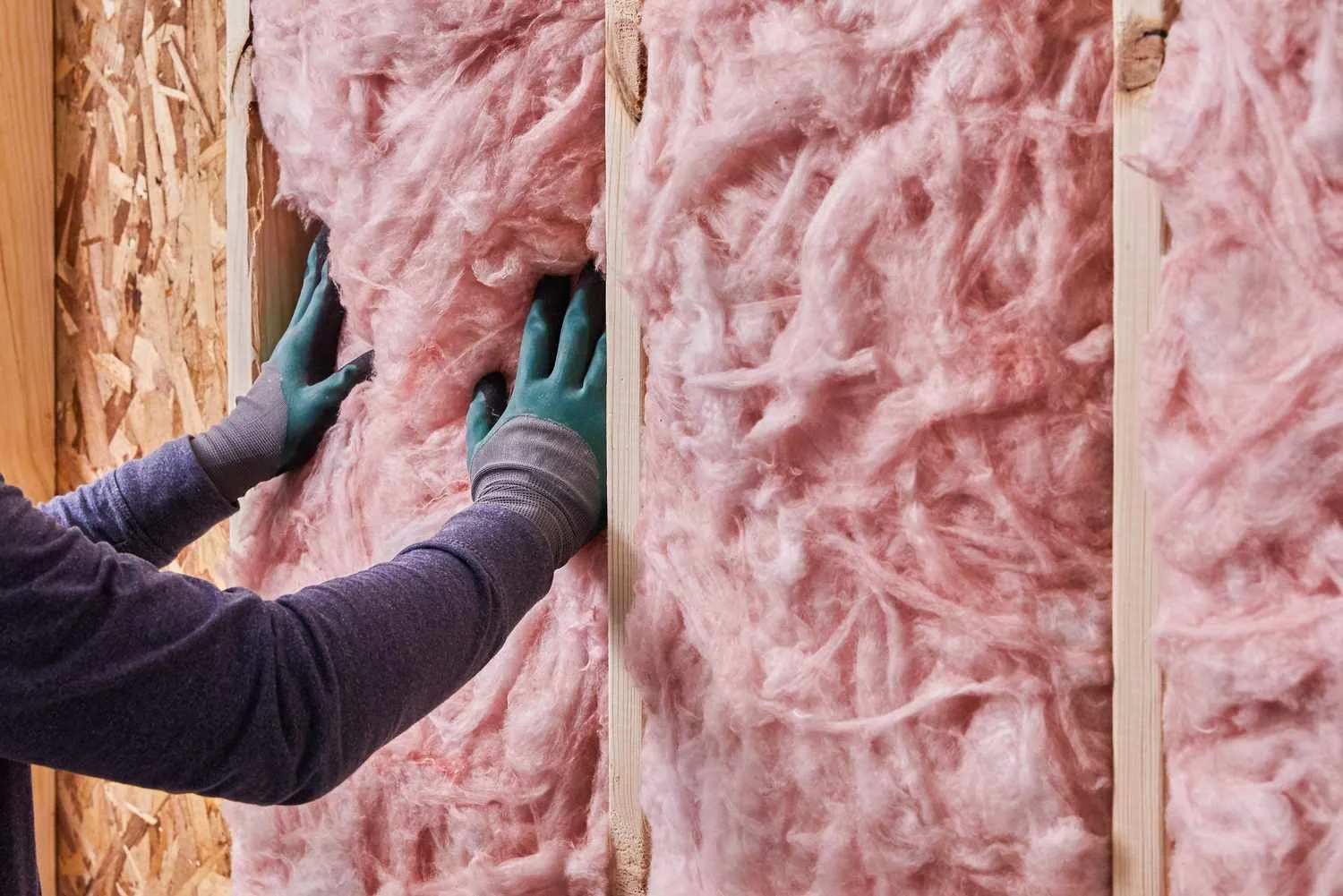
Fiberglass wall insulation is one of the most common applications we handle, both in new construction and existing homes undergoing renovation. The goal is consistent coverage across the entire wall assembly — no voids, no compressed sections, no areas where the batt was cut short and left a gap at the top or bottom of the cavity.
Properly installed fiberglass wall insulation contributes meaningfully to both thermal performance and — often overlooked — acoustic separation between rooms and from the exterior.
Fiberglass Sound Insulation
Speaking of acoustics — fiberglass sound insulation is purpose-specified for interior partition walls, floor-ceiling assemblies, and mechanical room separation. The material absorbs sound energy in a way that thermal-only batts aren't optimized for.
Builders and contractors doing multi-unit residential, home theaters, offices, or any project with defined acoustic performance requirements should spec this from the start. Retrofitting it later is possible but considerably more involved.
Fiberglass Pipe Lagging
Industrial and mechanical applications require a different approach. Fiberglass pipe lagging provides thermal protection for piping systems — hot or cold — in mechanical rooms, crawlspaces, and exposed utility runs.
It's a detail that often gets value-engineered out of projects until someone realizes their hot water lines are losing temperature or their cold supply lines are sweating. We install fiberglass pipe lagging as part of broader mechanical insulation scopes on commercial and light industrial projects throughout the region.
Looking for Fiberglass Insulation Near Me?
Searching fiberglass insulation near me and working through a list of contractors? A few practical questions worth asking before you hire anyone:
Do they carry their own crew, or are they coordinating unfamiliar subcontractors? How long have they been operating in this specific region? Can they handle the full scope — batts, blown-in, commercial applications — or do they specialize narrowly and refer out the rest?
Prince Insulation handles all of it. We've been the answer to fiberglass insulation near me for Franklin County and the surrounding area for over four decades. Same family. Same standards.
Service Areas
We serve residential, commercial, and contractor clients throughout:
- Decherd, Tullahoma, Winchester, Manchester
- Fayetteville, Lynchburg, Estill Springs, Cowan
- Shelbyville, Monteagle, Sewanee, Jasper
- South Pittsburg, Whitwell, Morrison, Huntland, Beech Grove
Not on the list? Call anyway — (931) 580-0088. Coverage is wider than the map suggests.
Frequently Asked Questions
Get the Estimate. Get It Done
Fiberglass Insulation Decherd and Tullahoma, TN — from the company that's been doing it longer than anyone else in the region. Prince Insulation. Family-owned since 1980. Free estimates, straight answers, work you won't have to redo.
Call (931) 580-0088. Monday–Friday, 7AM–5PM.
Request a Quote
Learn More About Prince Insulation
Serving Winchester, TN, Tullahoma, TN, Manchester, TN, Jasper, TN, and surrounding areas. Prince Insulation specializes in residential insulation and commercial insulation. Quick response times. Competitively priced. Free estimates. Call us today.
Get In Touch
(931) 580-0088
dewaynehill382@gmail.com
187 Hill-Coulson Rd, Decherd, TN 37324, United States