
Dehumidifiers in Decherd and Tullahoma, TN
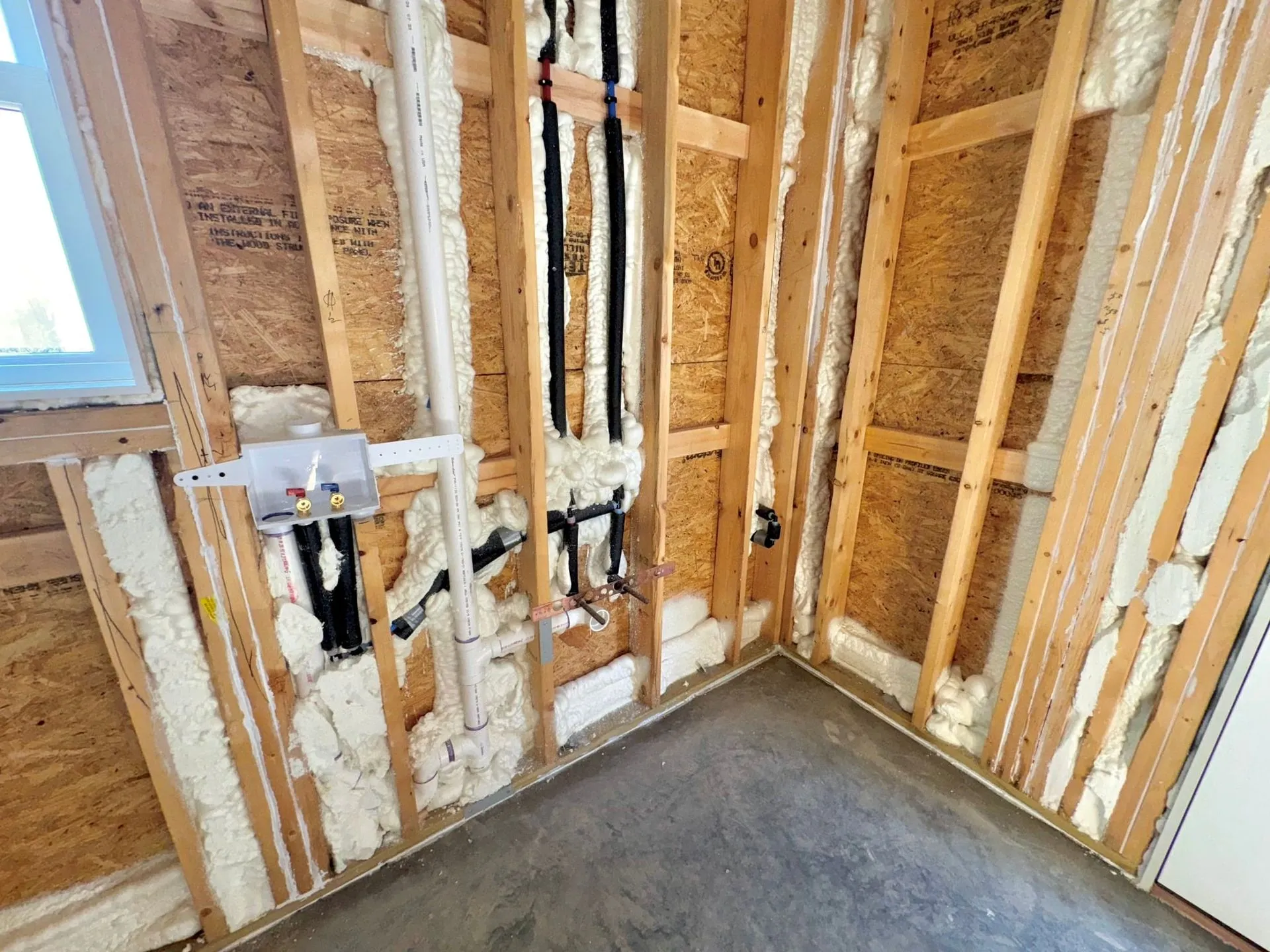
When the Air Itself Becomes the Problem
Dehumidifiers in Decherd and Tullahoma, TN — Prince Insulation has been solving moisture problems in Tennessee homes and commercial buildings since 1980. Most people reach for a dehumidifier after they notice a problem. The musty smell that won't leave. Condensation on windows. A crawlspace that feels like a sauna in July. Family-owned for over four decades, we assess moisture at the source and recommend dehumidification solutions that address the actual condition — not just the symptom.
Tennessee's humidity isn't seasonal. It's structural. The right equipment, properly sized and correctly placed, changes the performance of the entire building.
Call (931) 580-0088 for a free estimate.
Why Humidity Control Matters in Tennessee Buildings
Middle Tennessee sits in a humid subtropical climate zone. Outdoor relative humidity regularly exceeds 70 percent through the warmer months, and that moisture finds its way into every part of a building — through the crawlspace, through the building envelope, through the HVAC system, and through every imperfectly sealed penetration in the structure.
Elevated indoor humidity does several things, none of them good. It accelerates mold growth on surfaces and inside wall assemblies. It causes wood to absorb moisture and swell, affecting doors, floors, and structural framing. It makes air conditioning systems work harder to reach comfort conditions. And it creates the kind of persistent damp feeling that no thermostat adjustment resolves.
Dehumidifiers are the mechanical solution to a problem that insulation and air sealing alone can't fully address once a building already has a moisture load.
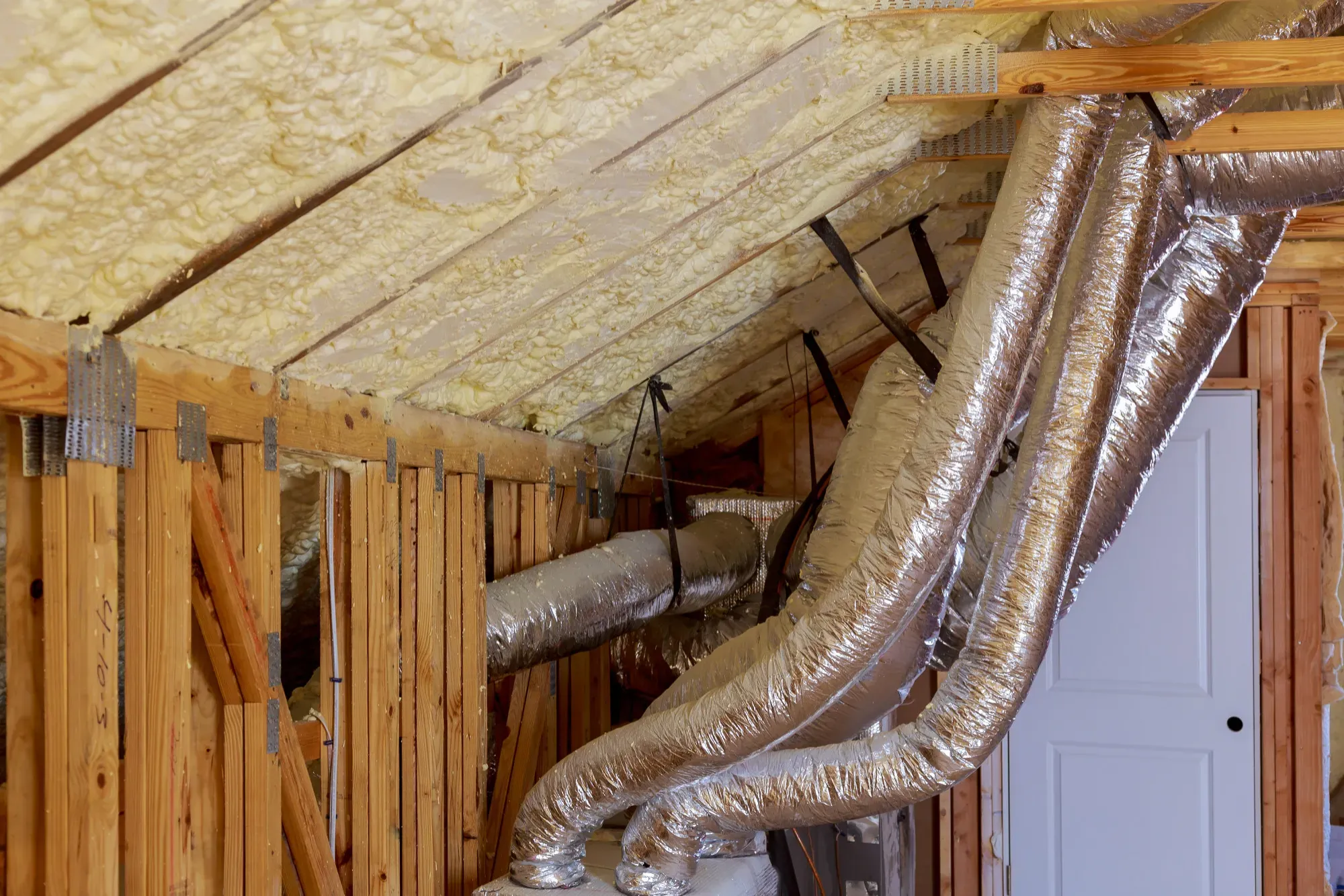
Dehumidifier Solutions We Provide
Whole Home and Whole House Dehumidifiers
A whole home dehumidifier is integrated into the HVAC system and treats air throughout the entire building as part of the normal conditioning cycle. Unlike portable units that address a single room, a whole house dehumidifier manages humidity building-wide — maintaining a target relative humidity regardless of what individual spaces are doing.
This is the right solution for homes where moisture is a system-wide issue rather than isolated to one area. Homes with older construction, significant envelope leakage, or ductwork in unconditioned spaces benefit most from this approach. The equipment runs quietly, drains automatically, and requires minimal maintenance compared to managing multiple portable units across different zones.
Crawl Space Dehumidifier
The crawlspace is the most consistently problematic moisture source in Middle Tennessee residential construction. Even with a vapor barrier in place, a crawl space dehumidifier is frequently necessary to manage the residual humidity that infiltrates through foundation walls, air leakage, and seasonal pressure changes.
A correctly sized and positioned crawl space dehumidifier maintains relative humidity below the threshold where mold growth and wood degradation occur — typically below 60 percent. It runs automatically, drains to a condensate line, and operates without requiring anyone to go into the crawlspace to empty a reservoir.
This is usually where people run into problems: they install a vapor barrier, consider the moisture issue resolved, and discover two years later that humidity levels in the crawlspace have been elevated all along because air sealing wasn't complete. The dehumidifier is the mechanical backstop that keeps the system performing regardless of what the vapor barrier misses.
Dehumidifier for Basement
Basements in this region accumulate moisture through two pathways — vapor transmission through the slab and walls, and air infiltration through gaps, windows, and the connection to the living space above. A dehumidifier for basement spaces addresses the resulting humidity load before it affects stored materials, finished surfaces, or the air quality of the floors above.
For finished basements, a properly sized unit maintains conditions that protect flooring, drywall, and furniture. For unfinished mechanical spaces, it protects the equipment, ductwork, and structural framing that serve the entire building.
Dehumidifier for Mold Prevention
Dehumidifier for mold applications requires understanding the relationship between relative humidity and mold growth rates. Mold requires sustained humidity above roughly 60 percent and an organic substrate — both of which exist in most Tennessee structures without active humidity control.
Mechanical dehumidification keeps relative humidity consistently below that threshold, eliminating the conditions mold needs to establish and spread. This is particularly relevant in properties that have had previous mold remediation — the remediation removes existing growth, but without humidity control, the conditions that enabled it remain unchanged.
Targeted Applications: Bathroom, Garage, Closet, and Window Condensation
Not every moisture problem requires a whole-building solution. Some are localized and call for targeted equipment.
A dehumidifier for bathroom spaces addresses the sustained humidity generated by showers and baths in rooms that may not have adequate exhaust ventilation — a common condition in older Tennessee homes. A garage dehumidifier manages the moisture that enters through slab transmission and vehicle condensation, which affects stored tools, equipment, and finishes. A closet dehumidifier addresses the localized humidity in enclosed spaces with limited air circulation, where moisture accumulates on clothing and stored items.
Dehumidifier for window condensation is a specific symptom worth understanding. Condensation forms on window glass when the surface temperature falls below the dew point of the interior air. The fix isn't a better window — it's reducing interior humidity to the point where the dew point drops below the glass surface temperature. The right home dehumidifier specification, sized correctly for the space, resolves this without window replacement.
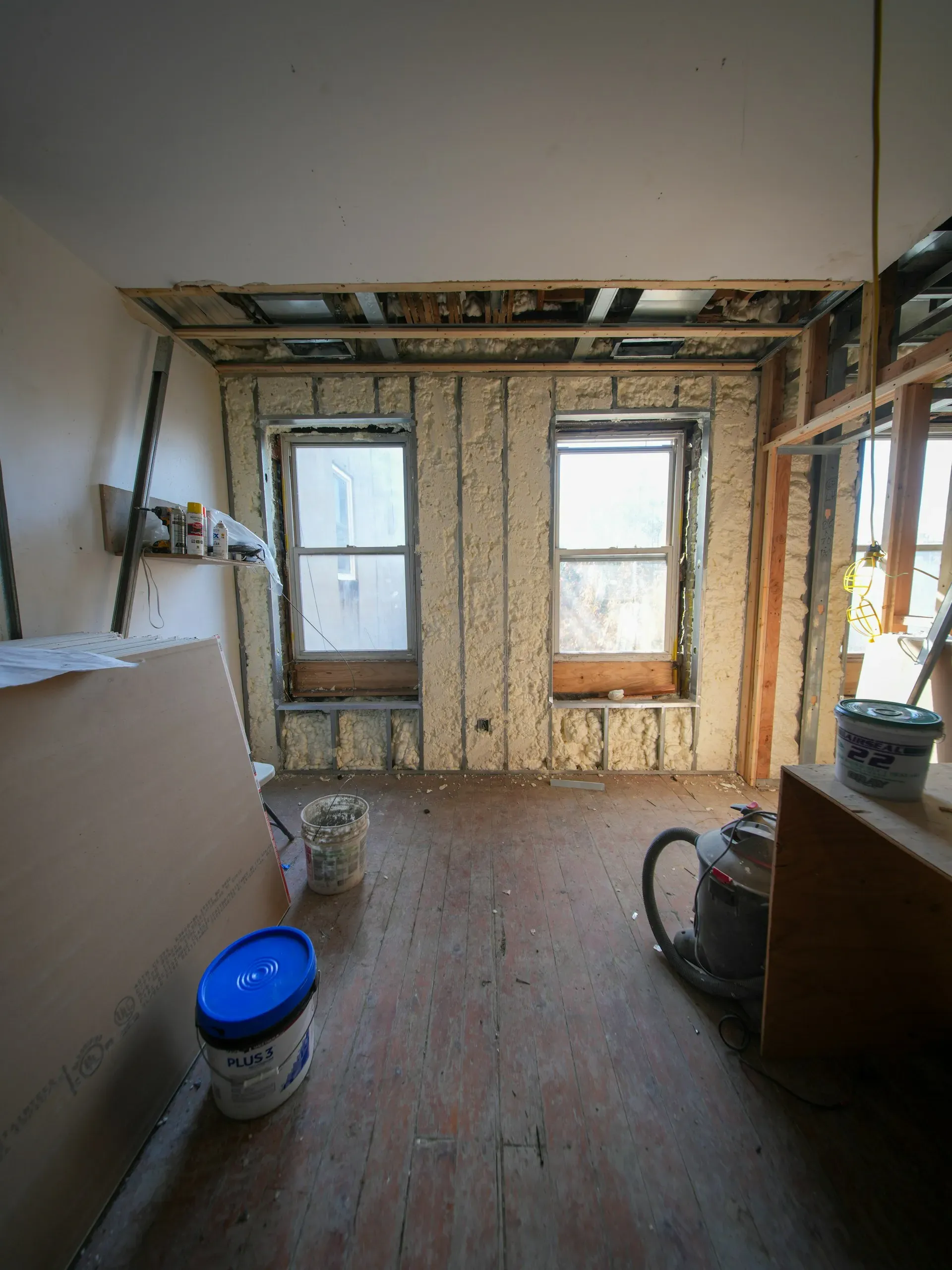
Equipment We Work With
Prince Insulation evaluates and installs dehumidification equipment suited to each application. For crawlspace and whole-home applications, we work with commercial-grade units built for continuous operation. Clients frequently ask about specific product lines — the Midea Cube dehumidifier and Hisense dehumidifier are among the residential portable units we're familiar with from assessment visits, and we can provide guidance on whether a portable unit is appropriate for the application or whether a dedicated installed system will deliver better long-term performance.
The honest answer for most Tennessee crawlspaces and basements: installed, auto-draining equipment outperforms portable units significantly. Portable units require manual reservoir emptying, don't cover large spaces efficiently, and aren't designed for the continuous operating cycles that high-humidity environments demand.
Why Prince Insulation for Dehumidification
We don't sell equipment in isolation. Every Dehumidifiers in Decherd and Tullahoma, TN recommendation we make follows an assessment of the building's moisture sources, the existing insulation and vapor control, and the HVAC configuration. Equipment that isn't sized for the actual moisture load runs constantly without achieving target humidity, or cycles so infrequently that it's effectively doing nothing.
Four decades of working in Tennessee structures gives us a specific understanding of what each type of building needs. A 1970s farmhouse with a dirt crawlspace and single-pane windows has a different moisture profile than a 2010 construction with a conditioned crawlspace and tight envelope. The solution follows the diagnosis.
Free estimates. In-house crew. No guesswork.
Service Areas
Prince Insulation serves homeowners, builders, and commercial clients throughout:
- Decherd, Tullahoma, Winchester, Manchester
- Fayetteville, Lynchburg, Estill Springs, Cowan
- Shelbyville, Monteagle, Sewanee, Jasper
- South Pittsburg, Whitwell, Morrison, Huntland
Uncertain about coverage? Call (931) 580-0088 — the service area is wider than most assume.
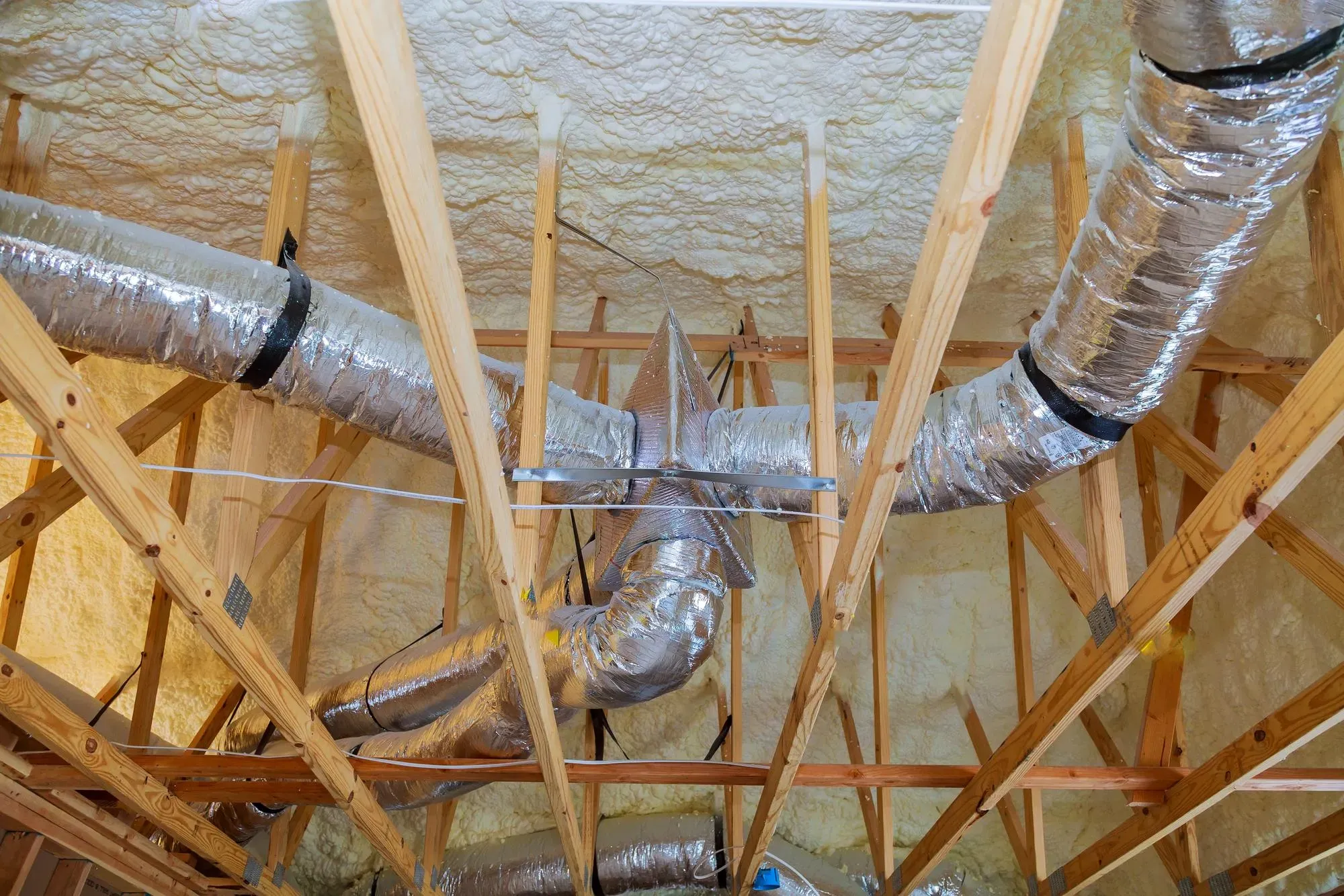
Frequently Asked Questions About Dehumidifiers
Control the Moisture. Protect the Building
Dehumidifiers in Decherd and Tullahoma, TN — specified correctly, installed properly, and backed by over four decades of moisture management experience in Tennessee construction. Prince Insulation. Free estimates, in-house crew, solutions that fit the building.
Call (931) 580-0088. Monday–Friday, 7AM–5PM.
Request a Quote
Learn More About Prince Insulation
Serving Winchester, TN, Tullahoma, TN, Manchester, TN, Jasper, TN, and surrounding areas. Prince Insulation specializes in residential insulation and commercial insulation. Quick response times. Competitively priced. Free estimates. Call us today.
Get In Touch
(931) 580-0088
dewaynehill382@gmail.com
187 Hill-Coulson Rd, Decherd, TN 37324, United States